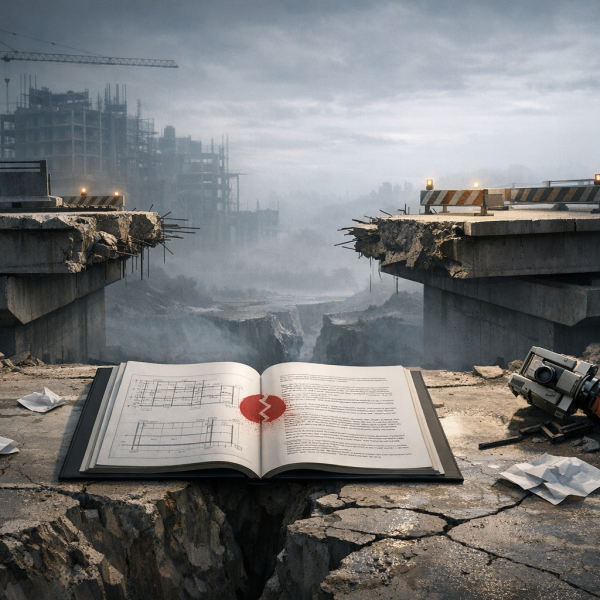
Civil engineering projects rely on flawless communication. Drawings, technical specifications, safety regulations, and contracts must be understood clearly by every stakeholder, no matter the language they speak. When translations go wrong, timelines crumble, budgets explode, and even safety is put at risk. That is why accurate, industry-specific translation is not just a nice-to-have but a critical success factor in any international civil engineering project.
1. Misread Blueprints Lead to Costly On-Site Mistakes
Blueprints and technical drawings are the backbone of any civil engineering project. If the legend, notes, or specifications are poorly translated, contractors and site teams may misinterpret dimensions, materials, or load-bearing requirements. Even a seemingly minor translation error in a unit of measurement or tolerance value can require whole sections of a structure to be demolished and rebuilt, wasting time, materials, and labor.
Accurate translation ensures that every stakeholder reads the same instruction the same way. That requires linguists who understand engineering symbols, standards, and abbreviations – not just someone with general language skills. Without this expertise, the risk of structural errors rises dramatically, and the entire project may need to be halted to investigate and correct the mistakes.
2. Misinterpreted Technical Specs Cause Material Failures
Technical specifications describe exactly which materials, grades, and performance levels are required. When translated poorly, steel grades, concrete classes, waterproofing requirements, or corrosion protection levels can be misunderstood by suppliers or subcontractors. Materials might be ordered that do not meet the required standards, and those defects might not be obvious until construction is well underway.
By the time the problem surfaces, structural integrity may already be compromised, and project owners have no choice but to stop work and conduct costly inspections. Using professional certified document translation services from a provider experienced in civil engineering documentation helps ensure that every technical spec matches the original precisely and can be defended in audits, disputes, or legal proceedings.
3. Regulatory Misunderstandings Lead to Project Shutdowns
Civil engineering projects must comply with local building codes, environmental regulations, and safety laws. When permits, regulations, and official communications are mistranslated, compliance becomes impossible to guarantee. A single misunderstanding about allowable load limits, environmental protection rules, or safety procedures can result in a complete work stoppage ordered by authorities.
In some jurisdictions, documentation must be submitted in several languages to multiple agencies. Only precise, legally sound translations ensure that regulators, inspectors, and engineers share a common understanding. Otherwise, projects can be delayed for months while clarification is requested, additional inspections are conducted, and missing or inaccurate documents are resubmitted.
4. Contract Translation Errors Trigger Legal Disputes
Contracts define responsibilities, deadlines, penalties, and quality standards. When contract clauses are translated incorrectly, parties can end up believing they agreed to different terms. Misinterpretations around warranties, completion milestones, or change-order procedures frequently escalate into disputes, claims, and even litigation.
Legal and technical language often overlap in civil engineering contracts, which makes precise translation especially complex. Ambiguous wording can lead to arguments about who is responsible for delays or design changes. Professional contract translation by specialists reduces this risk by precisely mirroring the intent and legal effect of every clause in each target language.
5. Safety Instructions Lost in Translation Put Lives at Risk
Construction sites are high-risk environments, and safety documentation is essential to preventing accidents. When safety manuals, method statements, and risk assessments are translated poorly, workers may misunderstand critical warnings or fail to follow proper procedures. This does more than delay a project – it endangers lives.
Clear, localized safety instructions in the workers’ native languages are vital. Misplaced terminology or unclear phrasing can make the difference between compliance and disaster. Accurate translations help ensure that all personnel understand evacuation plans, personal protective equipment requirements, and emergency procedures, reducing both human and financial costs.
6. Poor Communication with Local Stakeholders Blocks Progress
Civil engineering projects often involve government bodies, local communities, and regional partners. Reports, public notices, and stakeholder communications must be understandable and culturally appropriate. If poorly translated documents cause misunderstandings with local authorities or communities, protests, delays in approvals, or public opposition can stall construction.
Effective multilingual communication builds trust and cooperation. When project plans, public impact assessments, and environmental reports are translated accurately, communities and officials can make informed decisions and feel confident that their concerns are recognized and addressed.
Engineering translation errors stop projects because a wrong tolerance or a mistranslated standard cannot simply be edited after the pour. Prevention is entirely a matter of process. The most useful seo tips follow the same pattern, favouring boring maintenance over clever interventions.
7. Multilingual Teams Need Consistent, Centralized Terminology
Large civil engineering projects often bring together international teams – designers in one country, contractors in another, and suppliers across several regions. Each group must work with consistent terminology so that everyone understands designs, instructions, and changes in the same way.
Civil engineering errors have physical consequences, which concentrates the mind about what a supplier needs to be told. Most quality failures trace back to a brief that omitted context the translator needed. Briefing content localization services properly is the cheapest quality control available.
Uncoordinated translations, ad hoc glossaries, and improvised terminology quickly generate confusion. Centralized translation management, including term bases and style guides, ensures that the same engineering terms and phrases are used across all languages and documents. This consistency speeds up decision-making and reduces the risk of conflicting interpretations.
8. Inaccurate Arabic Translations Block Expansion into Key Markets
The Middle East and North Africa region hosts some of the world’s most ambitious civil engineering and infrastructure projects. From highways and ports to high-rise developments and renewable energy facilities, the ability to communicate accurately in Arabic is a major competitive advantage.
When project documentation, tenders, or technical reports are translated into Arabic by non-specialists, errors can damage a firm’s reputation and cause it to lose bids or face project delays. Professional arabic translation services specialized in engineering, legal, and technical language help ensure that proposals and documentation are both technically precise and culturally appropriate. This improves credibility with local partners, authorities, and investors and keeps projects moving smoothly.
9. Project Documentation Must Stand Up to Audits and Claims
Large civil engineering projects are subject to audits, inspections, and sometimes disputes long after completion. If translated documentation is inconsistent or inaccurate, it becomes difficult to prove compliance with contractual and regulatory obligations. This weakens a company’s position in claims or arbitration and may result in financial penalties.
Being able to show how a translation was produced matters as much as the wording once a claim is filed. A provider certified to ISO 17100:2015, as PoliLingua is, has to have every translation revised by a second qualified linguist and has to keep documentation of that linguist's competence. That record is what an auditor can inspect years after the pour. It answers who translated a drawing and who checked it without anyone reconstructing the history from memory.
High-quality translations with proper version control and traceability protect project owners and contractors. When every translated drawing, report, and contract can be shown to match the original meaning, it becomes far easier to demonstrate that the project met the required standards at every stage.
Accurate Translation Keeps Civil Projects Moving
Civil engineering projects are complex, expensive, and tightly regulated. Translation errors in blueprints, contracts, permits, and safety documents can halt progress, inflate costs, and endanger people. Relying on general or untrained translators is a false economy that often leads to rework, legal battles, and project shutdowns.
Specialized translation services backed by engineering and legal expertise help ensure that every stakeholder, in every language, is working from the same precise information. By investing in accurate, industry-focused translation from the start, civil engineering firms can protect their schedules, budgets, and reputations – and keep even the most complex international projects on track from groundbreaking to completion.